 |
|
|
|
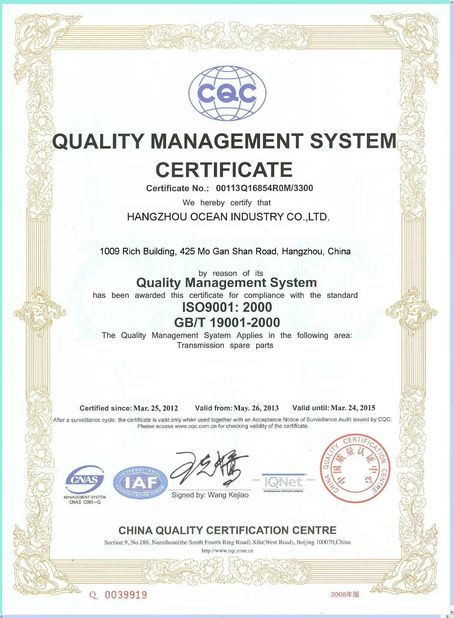
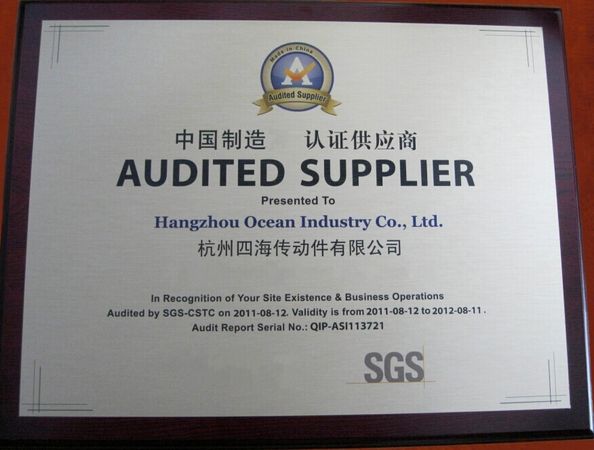
Certificación
- Estoy en línea para chatear ahora
Compañía Noticias
Fragilización por hidrógeno: evaluación de riesgos de clasificación de mecanismos y directrices de prevención industrial
La fragilidad del hidrógeno: Mecanismo de clasificación Evaluación de riesgos y Directrices de prevención industrial
Hydrogen embrittlement represents one of the most complex and destructive material failure phenomena encountered in modern mechanical manufacturing petrochemical engineering offshore marine engineering aerospace equipment and high strength fastener industries. It refers to the irreversible degradation of mechanical properties including ductility toughness fatigue resistance and fracture toughness when atomic hydrogen penetrates into the internal lattice structure of metal materials such as carbon steel alloy steel stainless steel titanium alloy and nickel base alloy. Unlike conventional mechanical wear fatigue fracture or chemical corrosion hydrogen embrittlement failure is characterized by strong concealment delayed fracture and sudden brittleness failure which often occurs under long term static load alternating load or residual stress far below the nominal yield strength of the material without obvious plastic deformation in advance bringing huge potential safety hazards economic losses and equipment shutdown risks to industrial production engineering operation and structural service life.
En los escenarios industriales reales, las fuentes de hidrógeno que inducen la fragilidad se pueden dividir en dos categorías principales: hidrógeno interno e hidrógeno ambiental.El hidrógeno interno se introduce principalmente en todo el proceso de fundición de metales, fundición, forja, soldadura, decapado ácido, fosfato, galvanoplastia, sumersión en caliente y tratamiento térmico de la superficie.. During electrolytic pickling and electroplating processes a large amount of hydrogen atoms will be generated on the metal surface and rapidly diffuse into the material interior along grain boundaries dislocations inclusion interfaces and micro defects forming hydrogen enrichment zones. Welding and molten steel smelting will also introduce hydrogen through welding moisture coating moisture and atmospheric humidity remaining in the molten pool which remains in the matrix after solidification and becomes the hidden inducement of subsequent embrittlement failure. Environmental hydrogen mainly comes from the service working environment such as oil and gas media containing hydrogen sulfide wet carbon dioxide medium seawater saline soil industrial acid corrosive liquid and improper cathodic protection system in marine engineering. These external corrosive environments continuously decompose to generate active hydrogen atoms which penetrate into the metal surface and gradually accumulate inside the material under long term stress coupling effect.
From the perspective of material adaptability high strength martensitic steel quenched and tempered alloy steel high strength bolt steel spring steel and high strength bearing steel are the most sensitive materials to hydrogen embrittlementCuanto mayor sea la dureza de la resistencia a la tracción y el contenido de martensita del material, mayor será la sensibilidad a la fragilidad del hidrógeno. Precipitation hardened stainless steel duplex stainless steel partial titanium alloys and high strength aluminum alloys also show obvious embrittlement tendency in hydrogen containing environments while austenitic stainless steel low carbon steel and low alloy steel have relatively excellent hydrogen resistance due to their stable lattice structure and low residual stress level. Microscopically hydrogen atoms gathered at grain boundaries will weaken the interatomic bonding force reduce the grain boundary bonding strength and promote the initiation and expansion of intergranular cracksEl hidrógeno enriquecido en las dislocaciones acelerará la proliferación de las dislocaciones y el deslizamiento causará una concentración de estrés local e inducirá una fractura de cuasi escisión transgranular. A large number of hydrogen atoms aggregated in micro pores and inclusions will combine into hydrogen molecules to produce huge internal expansion pressure leading to the generation and propagation of internal microcracks until macroscopic fracture failure occurs.
According to failure characteristics action mechanism and service conditions hydrogen embrittlement can be systematically classified into hydrogen induced delayed fracture hydrogen enhanced stress corrosion cracking hydrogen induced blistering and hydrogen enhanced fatigue cracking. Hydrogen induced delayed fracture mostly occurs in high strength structural parts and fasteners under static tensile stress showing obvious time delay effect components can remain intact for days months or even longer after installation and suddenly brittle fracture without warning. Hydrogen enhanced stress corrosion cracking is the coupling result of hydrogen penetration and corrosive medium which is common in oil and gas pipelines chemical pressure vessels and offshore platform structural parts. Hydrogen induced blistering often appears in low and medium strength steel containers and pipeline inner walls hydrogen accumulates in internal defects to form bubbles bulging surface and even cracking failureEl agrietamiento por fatiga reforzado con hidrógeno reduce significativamente la vida útil de las piezas giratorias, los componentes de la transmisión y las piezas mecánicas móviles que aceleran el crecimiento de grietas bajo carga alterna.
The core theoretical mechanisms of hydrogen embrittlement recognized by the industry mainly include hydrogen pressure theory atomic bond weakening theory dislocation drag mechanism and grain boundary segregation embrittlement theory. The hydrogen pressure theory believes that hydrogen atoms diffuse and gather in micro defects recombine into molecular hydrogen and cannot escape forming ultra high internal pressure to crack the matrix and expand microcracks. The atomic bond weakening theory points out that hydrogen atoms occupy the lattice gap and reduce the bonding energy between metal atoms resulting in the decline of material toughness and the reduction of fracture resistance. The dislocation drag mechanism indicates that hydrogen can be adsorbed on the dislocation line reduce the dislocation movement barrier promote local plastic deformation and form stress concentration at the front of microcracksLa teoría de la segregación del límite de grano explica que el hidrógeno se segrega en los límites del grano reduce la cohesión del límite del grano e induce la fractura frágil intergranular.
In terms of industrial prevention and control a complete standardized control system must be established covering material selection process optimization post treatment dehydrogenation design optimization environmental medium control and regular performance detection. In the material selection stage priority should be given to low hydrogen sensitive materials avoid blindly using ultra high strength steel in safety key components and replace electroplating process with mechanical galvanizing shot peening and organic coating to reduce hydrogen introduction. In the manufacturing process low hydrogen welding materials shall be selected preheating before welding and slow cooling after welding shall be implemented pickling time and acid liquid concentration shall be strictly controlled and corrosion inhibitors shall be added to reduce hydrogen evolution reaction. For high strength steel parts after electroplating and acid pickling forced dehydrogenation baking treatment at constant temperature is required within the specified time to release diffusible hydrogen inside the material and eliminate embrittlement hidden dangers.
Structural design should avoid abrupt section change sharp corners and excessive residual stress adopt rounded transition and optimized fillet structure reduce local stress concentration and reasonably match material strength and service load. In the service environment targeted corrosion protection measures shall be adopted including adding corrosion inhibitors optimizing cathodic protection potential to avoid excessive hydrogen evolution using lining anti corrosion materials and regular medium composition monitoring. At the same time regular non destructive testing microstructure analysis and hydrogen embrittlement performance evaluation shall be carried out for key equipment and vulnerable components to eliminate potential failure risks in advance.
In engineering practice hydrogen embrittlement failure cases are widely distributed in high strength bolt connection systems automotive suspension spring parts wind power transmission components petrochemical gathering and transportation pipelines marine rig structural parts and aerospace precision structural parts. Most sudden fracture accidents of high strength fasteners equipment shutdown caused by pipeline cracking and structural failure of marine platforms are closely related to uncontrolled hydrogen embrittlement. Therefore in the whole life cycle of material selection processing manufacturing surface treatment structural design and long term service establishing standardized hydrogen embrittlement risk assessment process and implementing full process hydrogen control management is not only an important guarantee for safe and stable operation of industrial equipment but also a key technical means to extend component service life reduce maintenance costs and avoid major safety accidents.
Tiempo del Pub : 2026-05-09 09:44:38
>> Lista de las noticias
Contacto
Hangzhou Ocean Industry Co.,Ltd
Persona de Contacto: Mrs. Lily Mao
Teléfono: 008613588811830
Fax: 86-571-88844378